
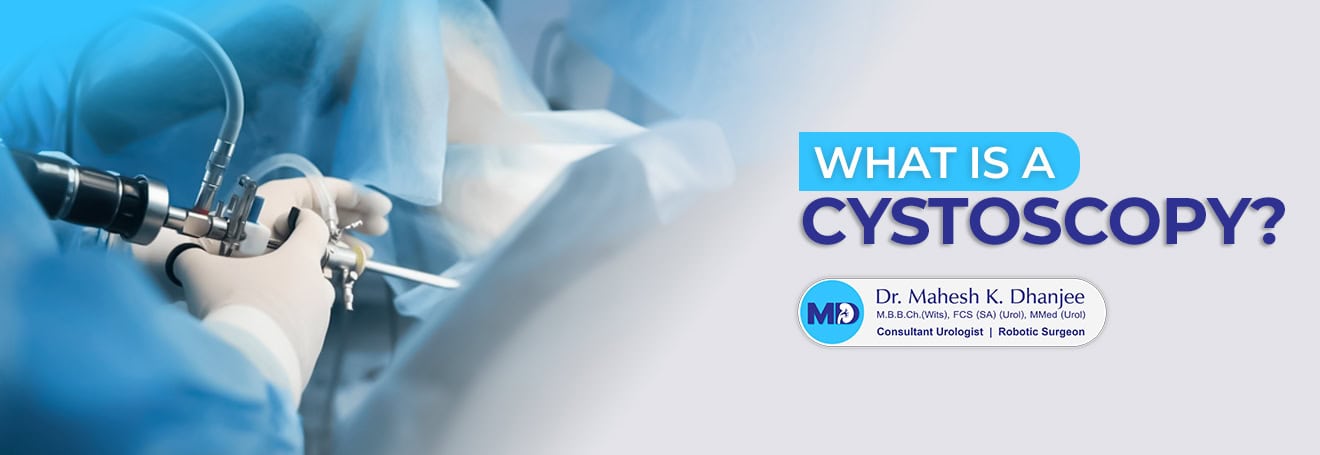
Have you been advised to undergo a cystoscopy and want to know what it involves? You are not alone.
Many patients wonder: what is cystoscopy, how is it done, and what should I expect afterwards?
A cystoscopy is a medical procedure that allows doctors to examine the inside of the bladder and urethra
using a thin, flexible tube called a cystoscope. Equipped with a light and camera, it provides a clear
view of the lower urinary tract, helping diagnose and sometimes treat a wide range of conditions.
Let us break down the procedure, differences for men and women, risks, and costs — so you walk into your
appointment fully informed.
What is Cystoscopy and How is it Performed?
During cystoscopy, the cystoscope is gently inserted through the urethra into the bladder. To improve
visibility, the bladder is often filled with sterile water or saline.
Two types of cystoscopes:
- Flexible cystoscope – thinner, more comfortable, often used for diagnosis.
- Rigid cystoscope – slightly larger, allows more complex treatments like biopsies or stone removal.
Anaesthesia options may include:
- Local anaesthetic gel
- Sedation
- General anaesthesia (for complex cases)
The procedure typically lasts 15–30 minutes.
Cystoscopy for Men and Women
Cystoscopy for Men
For men, the procedure examines the urethra, bladder, and prostate region. Because men have a longer
urethra, it may be slightly more uncomfortable, but sedation or anaesthesia makes it manageable.
Cystoscopy for Women
For women, the shorter urethra means the procedure is usually quicker and less uncomfortable.
The focus is on the bladder and urethral lining.
When is it needed?
Men and women may undergo cystoscopy to investigate:
- Blood in the urine
- Painful or difficult urination
- Frequent urinary tract infections
- Suspected bladder stones, inflammation, or tumours
Cystoscopy Procedure Cost
The cystoscopy procedure cost depends on several factors:
- Type of scope used (flexible vs rigid)
- Facility (clinic vs hospital)
- Anaesthesia (local vs sedation vs general)
- Additional treatments (biopsy, stone removal, etc.)
In Dubai, costs may range from a few hundred to several thousand USD. Health insurance coverage can reduce
out-of-pocket expenses, but it is best to confirm details with your urologist.
Risks and Complications of Cystoscopy
Cystoscopy is safe when performed by an experienced urologist in Dubai like Dr Mahesh Dhanjee.
However, as with any procedure, there are potential risks:
- Mild burning during urination (common, short-lived)
- Small traces of blood in urine
- Temporary frequent urge to urinate
- Rare: urinary tract infection, urethral injury, or bladder perforation
Prompt follow-up care ensures complications are quickly managed if they arise.
Alternatives to Cystoscopy
Patients often ask if there are other tests. Alternatives include:
- Ultrasound – good for larger stones or structural problems
- CT scan / MRI urogram – detailed imaging of the urinary tract
However, these do not allow direct visualisation or treatment. Cystoscopy remains the gold standard
because it lets doctors see the bladder lining directly and take tissue samples if needed.
Cystoscopy Results: What Do They Mean?
After the procedure, your doctor will discuss the findings:
- Normal – no abnormalities in the bladder or urethra
- Abnormal – inflammation, stones, tumours, strictures, or bleeding points
If a biopsy is taken, results are generally available within a few days. Depending on findings,
further treatment may be recommended.
Patient Experience: What to Expect Before, During, and After
Before
- Stop blood-thinning medications if advised.
- Drink fluids as recommended.
- Arrange transport home if sedated.
During
- Local anaesthetic gel or sedation ensures comfort.
- A cystoscope is inserted through the urethra.
- The bladder is filled with sterile fluid for visibility.
After
- Slight burning or frequent urination for 1–2 days
- Drink water to ease symptoms.
- Return to normal activities within 24 hours.
- Seek help if you develop fever, severe pain, or prolonged bleeding.
So, what is cystoscopy? It is a safe, effective medical procedure that gives doctors a direct view of the
bladder and urethra, helping detect problems early and guide treatment.
Whether you are considering cystoscopy for men or cystoscopy for women, knowing the procedure, risks,
and recovery makes the experience less daunting.
For personalised care and expert guidance, consult Dr Mahesh Dhanjee, a trusted male urologist in Dubai.
To learn more or book your appointment.
FAQ: Cystoscopy Explained
Is cystoscopy painful?
Most patients report mild discomfort or pressure, not severe pain. Flexible cystoscopes and anaesthesia
improve comfort.
How long does recovery take?
Most people resume daily activities within a day. Discomfort usually settles within 24–48 hours.
Can cystoscopy detect cancer?
Yes. It is one of the most accurate ways to detect bladder cancer and collect biopsy samples.
Do men and women undergo different steps?
The process is similar for both, but men may feel more discomfort due to the longer urethra.
How much does cystoscopy cost in Dubai?
Costs vary but are influenced by type of scope, hospital setting, anaesthesia, and insurance coverage.