
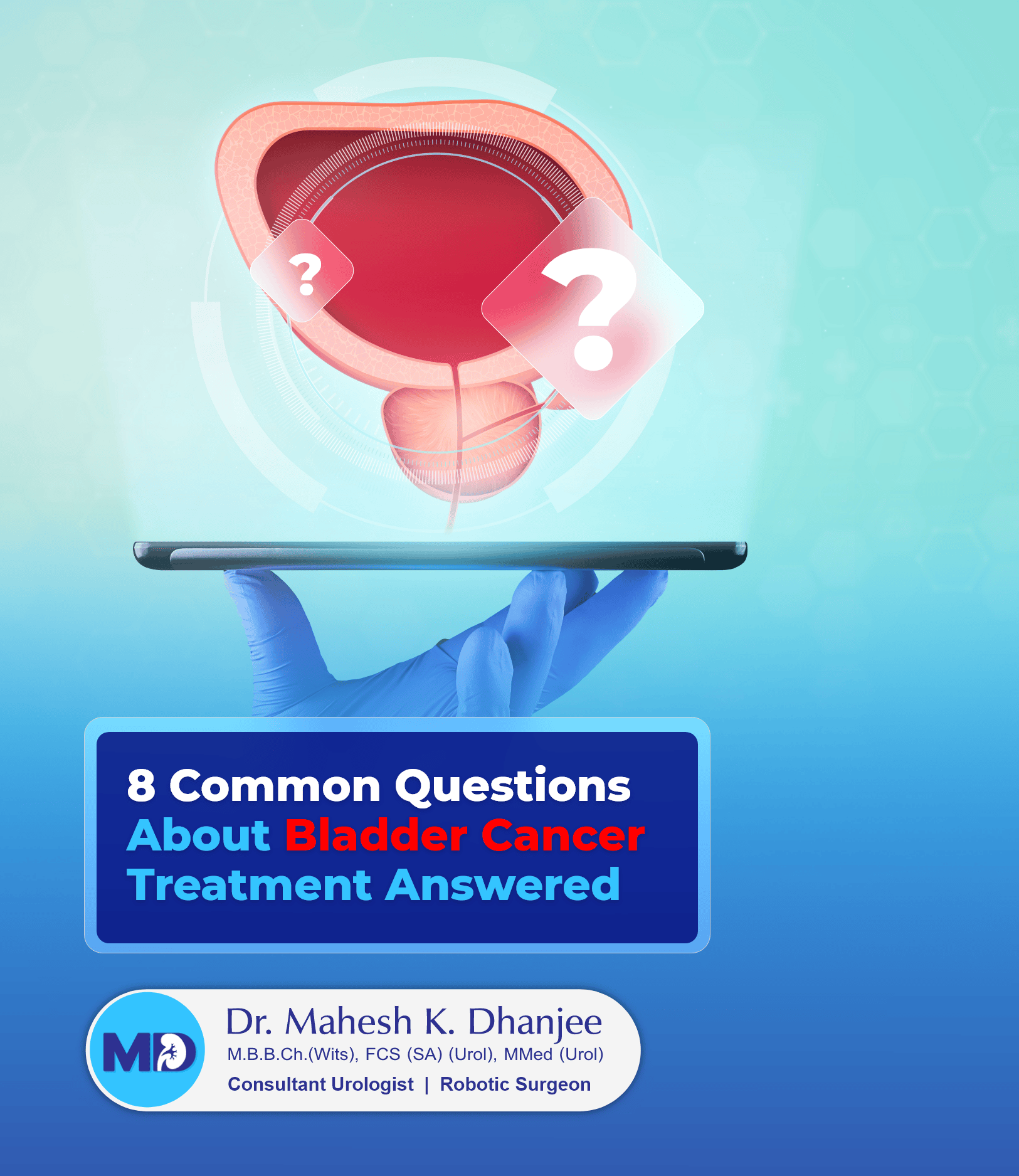
Seeing blood in your urine — even once — can be alarming. Many people immediately wonder: Could this be something serious? While urinary symptoms can have several causes, bladder cancer is one condition that should never be overlooked.
Bladder cancer is one of the more common urological cancers worldwide, and early diagnosis often makes a major difference in treatment success. Whether you are researching symptoms, exploring treatment options, or trying to understand the different stages of the disease, speaking with an experienced urologist in Dubai is an important first step.
This guide answers some of the most questions about bladder cancer symptoms and treatment, including surgery options, recovery expectations, survival outlook, and what patients in Dubai should know before beginning treatment. The article also integrates commonly asked patient concerns identified through search behaviour research in Dubai.
What Are the Symptoms of Bladder Cancer?
The most common symptom is blood in the urine, medically known as haematuria. Sometimes the urine appears pink, red, or cola-coloured, while in other cases the blood may only be detected during laboratory testing.
Other symptoms may include:
- Frequent urination
- Pain or burning while urinating
- Sudden urgency to urinate
- Pelvic discomfort
- Lower back pain
- Difficulty emptying the bladder
Many people initially mistake these symptoms for a urinary tract infection or kidney stones. However, persistent urinary symptoms should always be evaluated by a urologist in Dubai, especially if blood in the urine is present.
Understanding early bladder cancer symptoms and treatment can significantly improve outcomes.
What Stage of Bladder Cancer Is Most Treatable?
One of the most frequently asked questions is: Which stage of bladder cancer is curable?
Generally, early-stage bladder cancer — particularly non-muscle-invasive bladder cancer — has the best treatment outcomes. In these cases, the tumour remains confined to the inner lining of the bladder and has not spread into the muscle layer.
Early-stage treatment often includes:
- TURBT (tumour removal through the urethra)
- Intravesical therapy
- Regular cystoscopic monitoring
When bladder cancer progresses into the muscle wall or spreads beyond the bladder, treatment becomes more complex. However, advances in surgery, chemotherapy, immunotherapy, and targeted treatments have improved survival rates considerably.
This is why prompt consultation with a qualified urologist in Dubai matters so much.
How Does Treatment Change Depending on the Stage?
Treatment plans are highly personalised and depend on several factors, including cancer stage, tumour grade, and overall patient health.
Early-Stage Bladder Cancer
For superficial tumours, doctors often focus on bladder-preserving treatment approaches.
These may include:
- TURBT surgery
- Medication delivered directly into the bladder
- Ongoing monitoring to detect recurrence
Muscle-Invasive Bladder Cancer
Once cancer grows into the bladder muscle, more aggressive treatment is usually required.
Common approaches include:
- Radical cystectomy
- Chemotherapy
- Radiation therapy
- Immunotherapy
Stage 4 Bladder Cancer
Many patients ask: Does stage 4 bladder cancer mean terminal?
Not necessarily. Stage 4 cancer means the disease has spread beyond the bladder, but modern therapies can still help control the disease, reduce symptoms, and improve quality of life.
Current treatments for advanced disease may include:
- Immunotherapy
- Targeted drug therapy
- Combination systemic treatments
- Palliative therapies
Understanding bladder cancer stages and treatment helps patients prepare emotionally and medically for what lies ahead.
What Are the Best Bladder Cancer Surgery Options?
Another common concern is: Will I lose my bladder?
The answer depends on the cancer stage and tumour characteristics. Several bladder cancer surgery options exist, ranging from minimally invasive procedures to complete bladder removal.
1. TURBT (Transurethral Resection of Bladder Tumour)
This is often the first procedure used for diagnosis and treatment of early-stage tumours. A surgeon removes the tumour through the urethra without external incisions.
2. Partial Cystectomy
Only the affected section of the bladder is removed. This option is less common and suitable only in selected cases.
3. Radical Cystectomy
The entire bladder is removed, usually for muscle-invasive or aggressive cancers.
4. Urinary Reconstruction
After bladder removal, surgeons create a new way for urine to leave the body, such as:
- Neobladder reconstruction
- Ileal conduit diversion
- Continent urinary reservoirs
Many advanced centres now offer robotic and minimally invasive approaches for certain bladder cancer surgery options, helping reduce blood loss and shorten recovery time.
How Long Does Recovery Take After Bladder Cancer Surgery?
Recovery time depends on the type of procedure performed.
After TURBT
Most patients recover within several days and can return to routine activities relatively quickly.
After Radical Cystectomy
Recovery is more extensive and may require:
- Hospital stay of 1–2 weeks
- Several weeks of physical recovery
- Adjustment to urinary diversion or neobladder function
Patients often ask: Can you live a normal life after bladder removal?
In many cases, yes. With proper rehabilitation, support, and medical follow-up, many patients return to work, travel, exercise, and maintain an active lifestyle.
Working with an experienced urologist in Dubai and a multidisciplinary team can make the adjustment process smoother and safer.
Does Bladder Cancer Spread Quickly?
The speed of progression varies depending on tumour type and aggressiveness.
Low-grade superficial tumours may grow slowly, while high-grade muscle-invasive cancers can spread more rapidly to nearby lymph nodes or distant organs.
This is why delays in diagnosis can be risky.
If symptoms such as blood in the urine persist, timely evaluation is essential. Early intervention often allows for more treatment choices and better long-term outcomes.
What Is the Survival Rate for Stage 4 Bladder Cancer?
This is understandably one of the most emotionally difficult questions patients ask.
Survival depends on several factors, including:
- Response to treatment
- Overall health
- Extent of cancer spread
- Availability of advanced therapies
While advanced bladder cancer is more challenging to treat, newer immunotherapy combinations and targeted treatments have improved survival outcomes significantly in recent years.
Patients today often have access to more personalised treatment pathways than ever before.
Importantly, stage 4 cancer does not automatically mean immediate end-of-life care. Many patients continue treatment for years while maintaining meaningful quality of life.
What Side Effects Should Patients Expect?
Different treatments come with different side effects.
Possible Side Effects of TURBT and Intravesical Therapy
- Mild bleeding
- Burning during urination
- Temporary urinary frequency
Chemotherapy and Immunotherapy Side Effects
- Fatigue
- Nausea
- Reduced immunity
- Skin or nerve effects
Radiation Therapy Side Effects
- Bladder irritation
- Pelvic discomfort
- Bowel irritation
After Bladder Removal Surgery
Patients may need time to adjust to urinary diversion systems or neobladder function.
Many hospitals and urology centres in Dubai provide specialised rehabilitation support, including stoma care education and nutritional guidance.
Frequently Asked Questions About Bladder Cancer Treatment
Is stage 4 bladder cancer always terminal?
No. While stage 4 bladder cancer is advanced, many patients respond to modern therapies that help extend survival and improve quality of life.
What is the recovery time for bladder cancer surgery?
Recovery varies depending on the procedure. TURBT recovery may take days, while radical cystectomy recovery may take several weeks or months.
Can bladder cancer return after bladder removal?
Yes. Even after bladder removal, cancer recurrence is still possible, which is why regular follow-up appointments remain essential.
What is the first surgery usually performed for bladder cancer?
TURBT is commonly the first surgical procedure used for diagnosis and treatment of early-stage bladder tumours.
Can bladder cancer be cured?
Many early-stage bladder cancers can be treated successfully, especially when diagnosed early and managed by an experienced urologist in Dubai.
Understanding Your Next Steps After a Bladder Cancer Diagnosis
Bladder cancer treatment has evolved significantly over the years, giving patients access to more personalised and effective care than ever before. From minimally invasive tumour removal procedures to advanced reconstructive surgery and modern immunotherapy, today’s treatment approaches are designed to improve both outcomes and quality of life.
Understanding bladder cancer symptoms and treatment, exploring different bladder cancer surgery options, and recognising how bladder cancer stages and treatment affect recovery and prognosis can help patients make informed decisions with greater clarity and confidence.
For those seeking specialised urological care in the UAE, Dr. Mahesh K Dhanjee is committed to delivering compassionate, patient-focused treatment supported by advanced surgical techniques and the latest medical technologies. Every patient deserves to feel heard, comfortable, and properly guided throughout every stage of their care journey.